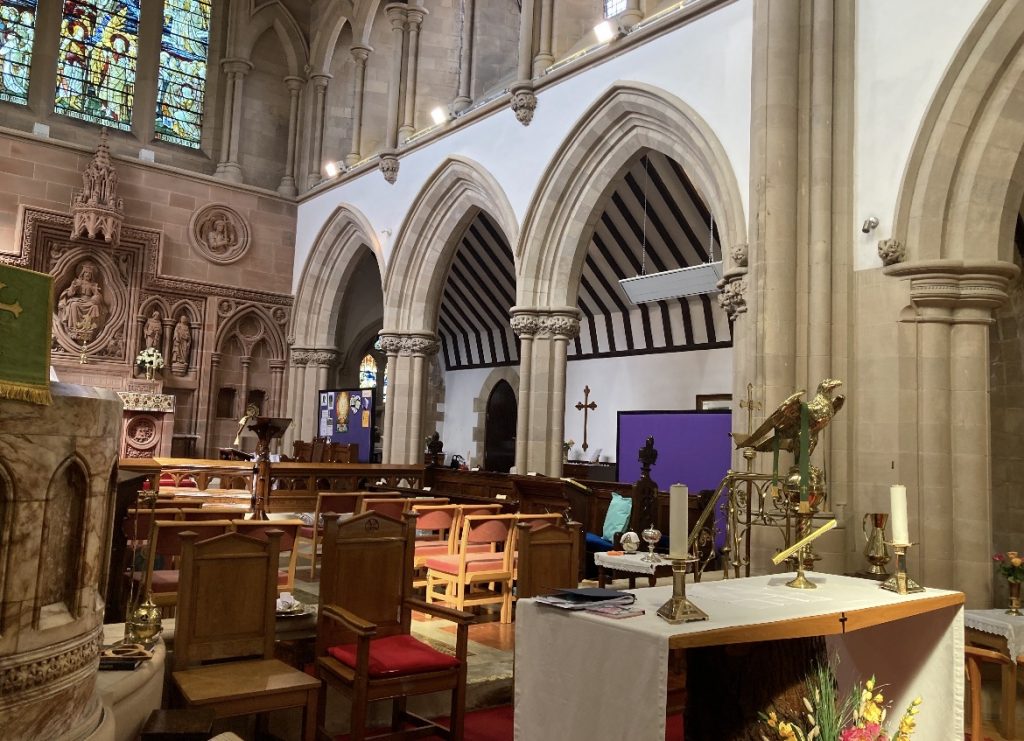
Historic churches face a unique heating challenge. Large spaces, high ceilings and traditional construction can make heating both difficult and expensive.
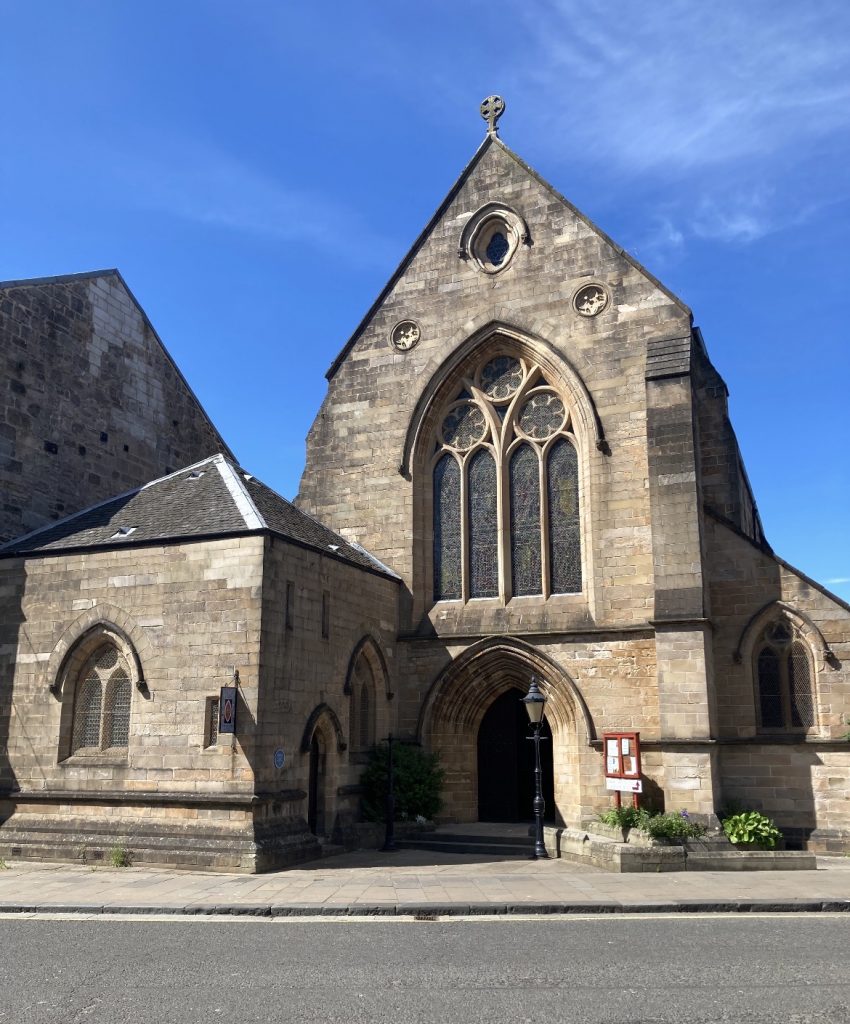
St Augustine’s Church in Dumbarton experienced these challenges first-hand. Rising gas prices and an ageing heating system left the church searching for a better solution. The answer came in the form of Flexel far infrared heating.
The Challenge of Heating a Historic Church
Like many churches across the UK, St Augustine’s struggled to heat its large internal space efficiently. The existing gas heating system was costly to operate and often failed to provide comfortable conditions for the congregation.
At the same time, the church wanted to reduce energy consumption and support its long-term Net Zero ambitions. However, major insulation upgrades and extensive building alterations were not practical due to the church’s historic status.
As a result, the church needed an alternative approach.
Looking Beyond Traditional Heating
Following consultation with Scottish Episcopal Church at their Net Zero Team, an Energy Assessment Report from Business Energy Scotland, St Augustine’s began exploring radiant heating technologies. The report highlighted the benefits of heating people rather than attempting to heat the entire building volume. After researching several options, the church was introduced to Flexel’s far infrared heating systems by Scottish Energy Saving. The recommendation immediately stood out.
Flexel has been manufacturing radiant heating solutions in the UK since 1978 and has extensive experience delivering heating systems for churches, heritage buildings and other large-volume spaces.
Why Far Infrared Heating Works in Churches
Traditional heating systems warm the air first. Unfortunately, warm air naturally rises towards the ceiling. This creates a problem in churches where ceiling heights can exceed several metres.
Far infrared heating works differently. Instead of heating the air, Flexel radiant heaters warm people and surfaces directly. As a result, occupants feel comfortable much more quickly and energy is used more effectively. This targeted approach makes far infrared heating particularly suitable for churches and heritage buildings.
A Successful Pilot Project
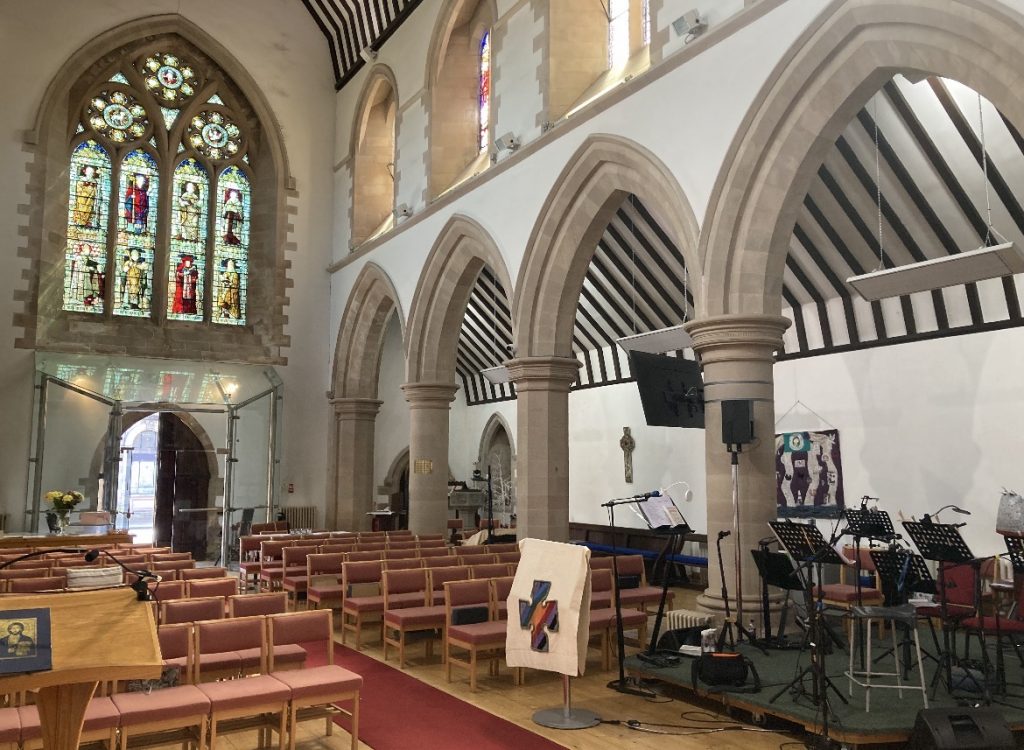
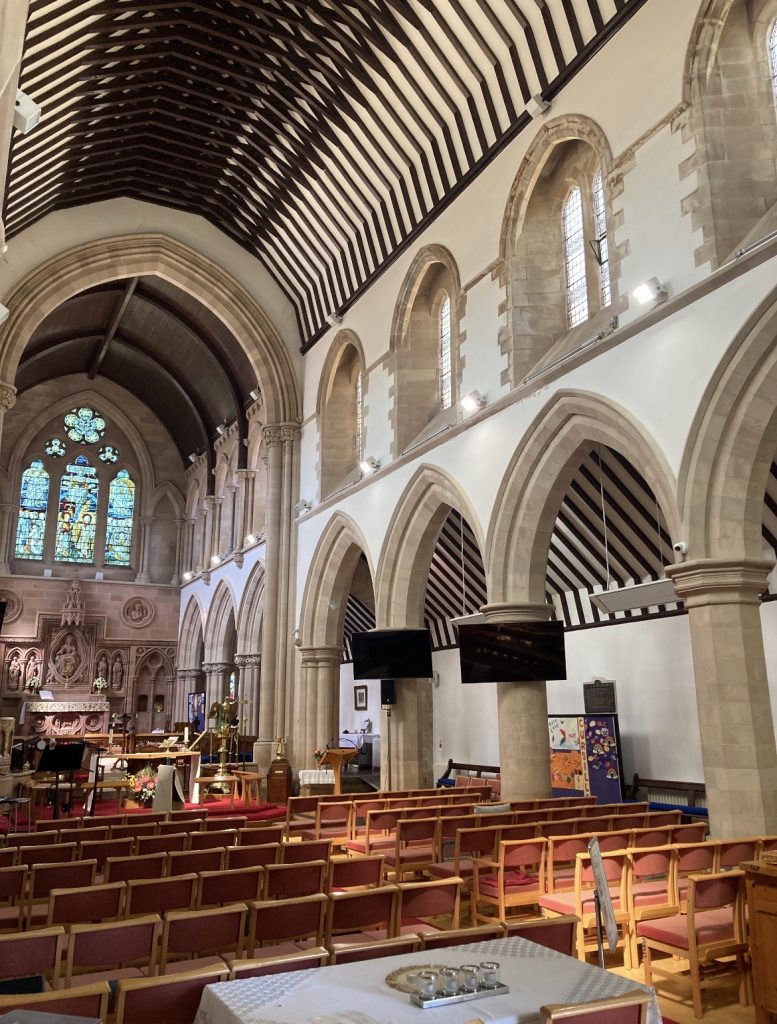
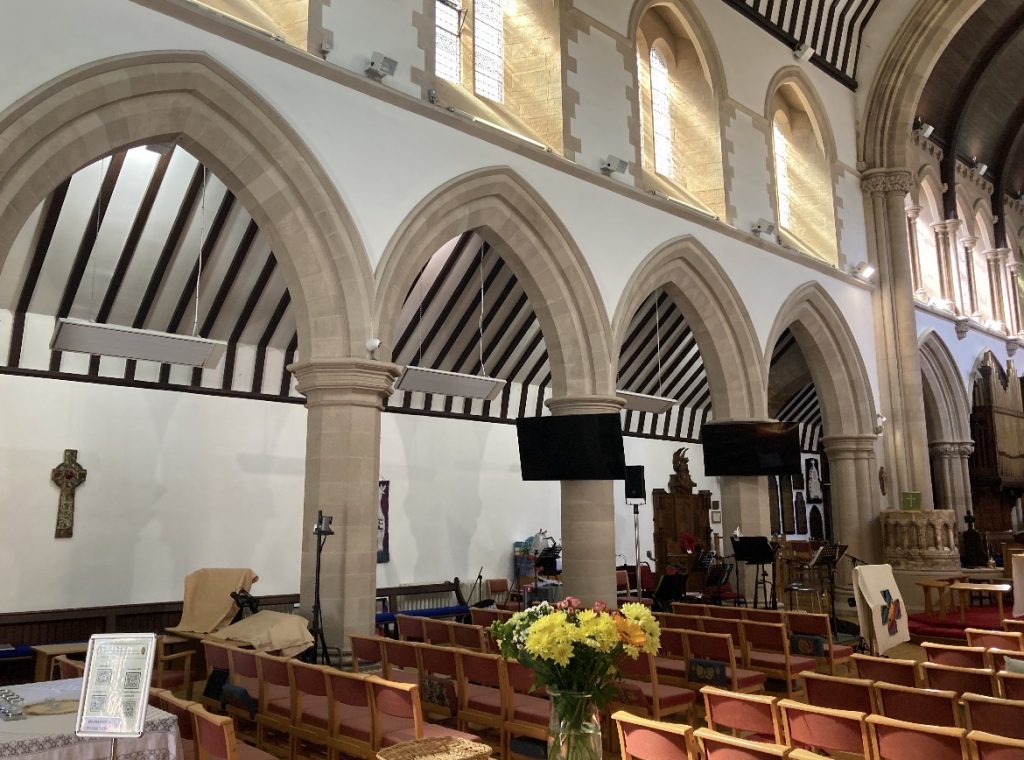
To test the technology, St Augustine’s secured funding through a Net Zero Pilot Grant. The objective was simple. The church needed to prove that radiant heating could improve comfort while remaining sympathetic to the architecture of a significant 19th-century building. The installation was carried out by Scottish Energy Saving in partnership with Flexel.
Reflecting on the project, John Wiggins (Vestry Member) explained:
“The challenge was to prove that, essentially ‘industrial’ heaters, could be sympathetically installed to minimise the visual intrusion in an architecturally significant 19th century building and deliver substantial comfort improvement to the congregation and other users in a cost-effective manner.”
Work began in October 2025. Even before the full system was installed, the benefits became clear.
Immediate Improvements in Comfort
The congregation quickly noticed a difference. Unlike traditional heating systems that require lengthy pre-heating periods, Flexel radiant heaters provide warmth exactly where it is needed. As a result, users experienced improved comfort during services and church activities. Following completion of the trial installation, a congregational survey confirmed strong support for the new heating system.
Lower Heating Costs and Reduced Energy Use
The financial benefits were equally encouraging. When energy costs were compared with the previous year, the church achieved measurable savings.
John commented:
“The benefit was further confirmed by comparison with the previous year, showing that we had saved £1,000 in gas for £500 in extra electricity cost.”
The project demonstrated that reducing heating costs does not have to mean sacrificing comfort. Instead, targeted radiant heating delivered both.
Supporting the Journey to Net Zero
One of the biggest advantages of far infrared heating is operational control. Churches can heat occupied areas only when needed, helping reduce wasted energy.
According to John:
“The game-changing feature of the radiant heaters is the ability to raise the perceived temperature in a localised area without lengthy pre-heat periods.”
He added:
“Coupled with the clear handle on operational costs, it makes the system a real positive step on the journey towards sustainability, both environmentally and financially.”
These benefits align closely with the sustainability goals of many churches and heritage organisations throughout the UK.
Expanding the Installation
The pilot project was such a success that St Augustine’s received approval to continue with the full installation. The church has nw installed a total of 15 Flexel radiant heaters, supported through Business Energy Scotland funding. The results have already transformed the experience of church users.
As John noted:
“We have just enjoyed the cosiest Easter in a long time, without breaking the bank.”
Why More Churches Are Choosing Flexel
Churches across the UK are facing rising energy costs and increasing pressure to reduce carbon emissions. Far infrared heating offers a practical solution.
By heating people directly, Flexel systems can:
- Improve comfort quickly
- Reduce heating costs
- Eliminate lengthy warm-up periods
- Support Net Zero objectives
- Minimise visual impact in heritage buildings
- Provide predictable operating costs
For churches, cathedrals and heritage properties, Flexel far infrared heating delivers an effective alternative to traditional heating systems.
Discover Church Heating Solutions from Flexel
If your church is struggling with high heating bills, poor comfort levels or ageing heating equipment, Flexel can help. Our UK-manufactured far infrared heating systems have been providing efficient radiant heating solutions since 1978.
Contact us today to discuss your next church heating project or see our full Church Heating range on our website