
Table of Contents
- What Zoning Electric Heating Means and Why It Matters
- Benefits of Room-by-Room Heating Control
- Essential Equipment for Zoning Electric Heating Systems
- Electric Underfloor Heating Controls: Installation and Configuration
- Common Installation Mistakes to Avoid
- Testing and Commissioning Your Zoned System
- Frequently Asked Questions
Last Updated: 21 October 2026
What Zoning Electric Heating Means and Why It Matters
Zone electric heating is a system that divides your building into separate areas, each with its own temperature control. Instead of heating your entire home or office to one set temperature, you heat only the rooms you’re using. This approach gives you precise control over comfort and energy use.
Many property owners heat spaces they don’t occupy, wasting energy and money. Zoning stops that waste immediately.
The basic idea is straightforward: install separate thermostats and controls in different zones, then run heating circuits to each area independently. Rooms you’re not using stay cooler. Rooms where people work or live get the warmth they need.
This matters because traditional central heating treats your entire building as one unit. You can’t turn down the spare bedroom or workshop without affecting the main living space. With zone electric heating, you control each area separately.
Benefits of Room-by-Room Heating Control
Controlling heating room by room delivers real advantages. You stop paying to warm empty spaces. You eliminate the frustration of some rooms being too hot while others stay cold.
Energy savings come from targeted heating. When you heat only occupied zones, your system runs less. Lower runtime means lower bills. Many facilities find they reduce heating energy use by adjusting which zones are active.
Comfort improves because people control their own environment. Different rooms have different needs. A south-facing office gets afternoon sun and needs less heat. A north-facing bedroom stays cold. Zone controls let occupants adjust temperature to suit their space.
Flexibility matters in commercial settings. Offices with mixed usage, some areas busy all day, others used only in mornings, benefit enormously. You heat the conference room only during meetings. You keep common areas warm but not overheated.
Installation becomes easier with zone heating. You don’t need to run heating pipes through every wall. Each zone has its own circuit. This means less disruption during renovation and simpler troubleshooting later.
Essential Equipment for Zoning Electric Heating Systems
Building a zoned system requires specific components working together. You need a heating source, controls, wiring, and thermostats.
The heating elements form the foundation. Electric underfloor heating cables or infrared panels generate warmth in each zone. These elements connect to separate circuits so each zone operates independently.
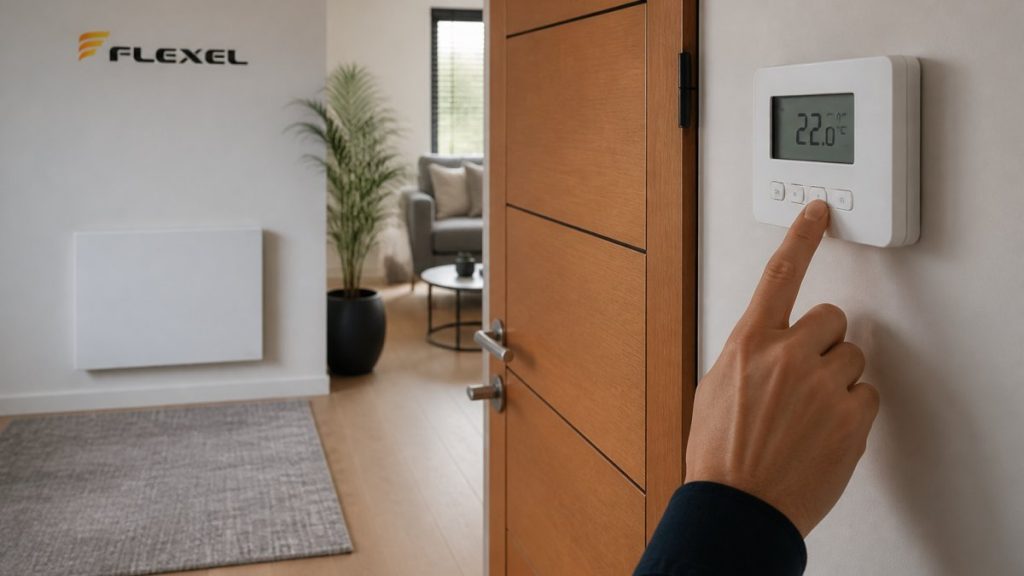
Thermostats control temperature in each zone. Modern thermostats sense room temperature and signal the heating element to turn on or off. Programmable models let you set different temperatures for different times of day. Smart thermostats connect to your phone so you adjust zones from anywhere.
Wiring and circuits carry power to each zone separately. Each zone needs its own circuit breaker and wiring run. This separation is essential, if one zone fails, others keep working.
Control panels coordinate all zones. These panels receive signals from thermostats and direct power to the correct heating circuits. Quality panels include safety features like overload protection.
Flexel supplies integrated heating solutions designed for zoning from the start. Our systems include compatible thermostats and control options that simplify installation. If you’re planning a zoned heating project, a free quotation helps you understand what’s involved and what options suit your building.
Electric Underfloor Heating Controls: Installation and Configuration
Electric underfloor heating works brilliantly with zone control because the heating element sits beneath the floor, out of sight. Installation requires planning but follows straightforward steps.
Wiring Zones Correctly
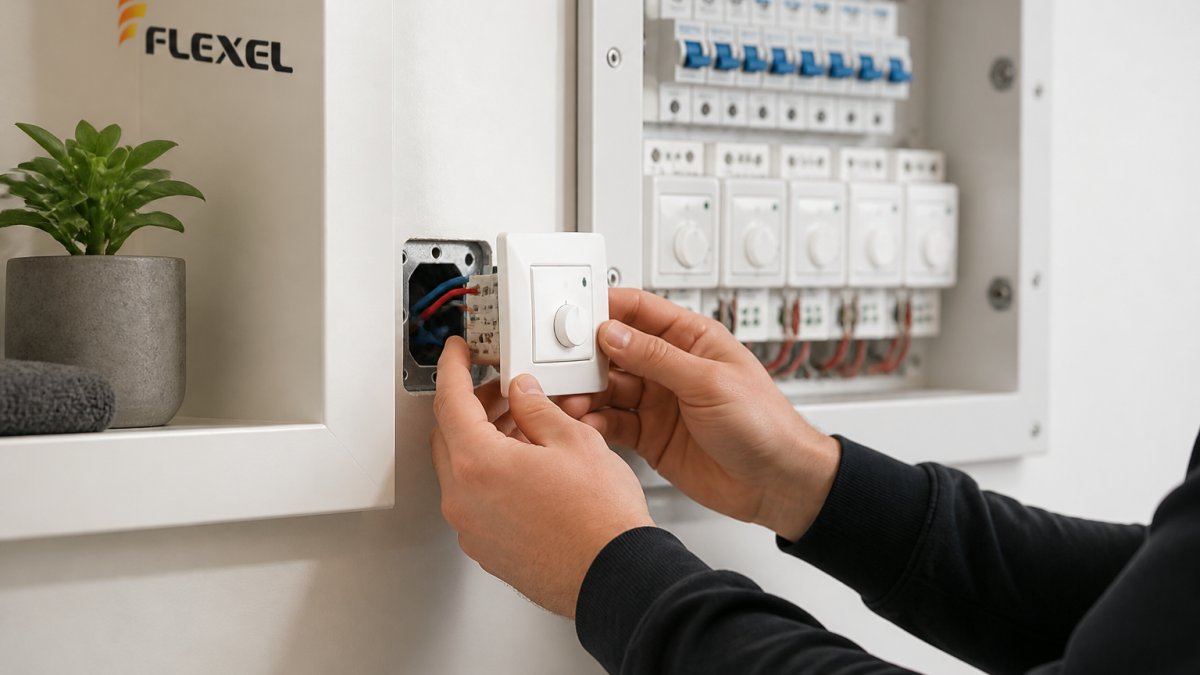
Each zone must have dedicated wiring from the main panel to its thermostat and heating element. This separation prevents one zone’s failure from affecting others.
Run cables in conduit or under the floor surface where they’re protected from damage. Keep zone wiring separate, don’t bundle cables from different zones together. Label every wire clearly so future work is straightforward.
Connect each zone’s thermostat to its dedicated circuit breaker. The breaker capacity depends on the heating element’s power draw. Underfloor heating typically uses 10-20 amp circuits depending on floor area.
Earth all circuits properly. Proper earthing protects against electrical faults and is required by building regulations. Use earth cables sized to match your circuit breaker.
Programming Your Thermostat for Multiple Zones
Modern thermostats let you programme each zone independently. Set different temperatures for different times of day. Morning might call for 21°C in living areas and 16°C in bedrooms. Afternoon could reverse those settings if occupancy changes.
Programmable thermostats accept schedules for weekdays and weekends. You can create different profiles for different seasons. Winter might heat more aggressively than spring.
Smart thermostats add remote control. Adjust any zone from your phone. Some models learn your habits and adjust automatically. Others integrate with other building systems.
Start with simple programming: occupied hours at comfortable temperature, unoccupied hours at lower temperature. Once you see results, refine the schedule based on actual usage.
Common Installation Mistakes to Avoid
Most installation problems stem from poor planning or rushing the job.
Underestimating zone count is common. Homeowners think two zones suffice, then regret it when different rooms have different needs. Map your building carefully. If you’re unsure, create more zones, you can always consolidate later.
Running all wiring in one conduit defeats the purpose of zoning. Separate circuits must have separate protection. If one zone overloads, a shared conduit might trip the entire system.
Ignoring thermal mass causes comfort problems. Thick concrete floors take time to heat and cool. Thermostats must account for this delay or rooms overshoot target temperature.
Forgetting about insulation wastes the benefits of zoning. Poorly insulated zones lose heat rapidly. You end up heating continuously to maintain temperature. Improve insulation before installing zone heating.
Placing thermostats poorly gives false readings. A thermostat in direct sunlight reads warmer than the room actually is. One near a door reads cooler from draughts. Position thermostats in representative locations away from heat sources and draughts.
Testing and Commissioning Your Zoned System
Before relying on your system, test every component thoroughly.
Check that each zone heats independently. Turn on zone one alone and confirm only that zone warms. Repeat for every zone. If one zone stays cold when activated, check wiring and thermostat connection.
Verify thermostat accuracy. Use a separate thermometer to check if the thermostat reading matches actual room temperature. Adjust thermostat position if readings are consistently off.
Test the control panel. Confirm it receives signals from all thermostats. Verify it directs power to the correct circuits for each zone.
Run the system through a full heating cycle. Let it heat to target temperature, then cool back down. Watch for any zones that heat unevenly or take excessive time.
Document everything. Record which circuit powers which zone. Note thermostat locations. Keep manufacturer documentation accessible. This information helps future troubleshooting.
Zone electric heating gives you precise control over comfort and energy use. The system divides your building into independent areas, each with its own thermostat and heating circuit. This approach stops wasting energy on unoccupied spaces and lets occupants adjust their own environment.
Installation requires careful planning and proper wiring, but the benefits justify the effort. You’ll see lower heating bills and improved comfort immediately.
To discuss your next project Contact Us to get the conversation started.
Flexel: Heating people first since 1978
Frequently Asked Questions
Can you zone electric heating systems?
Yes, electric heating systems can be zoned effectively using separate thermostats and electrical circuits for different areas. Each zone operates independently, allowing you to heat only the spaces you’re using. This approach works well for underfloor heating and infrared panels, giving you precise control over temperature in individual rooms or sections of your building.
What are the benefits of room-by-room heating control?
Room-by-room heating control reduces energy waste by heating only occupied spaces, lowering your energy bills significantly. You gain comfort flexibility, allowing different temperatures in different zones based on usage patterns. This is especially valuable in commercial properties where some areas sit unused during certain hours, or in homes where family members prefer different temperatures.
How does zoning improve energy efficiency in commercial spaces?
Zoning eliminates heating dead space in large commercial buildings. Instead of heating an entire warehouse or office uniformly, you heat only active work areas, reducing consumption substantially. This targeted approach is particularly effective in buildings with varied occupancy patterns, such as warehouses with multiple operational zones or offices with flexible floor plans.
Is it cost-effective to zone electric underfloor heating?
Zoning electric underfloor heating delivers strong energy savings through reduced consumption and improved control, though initial setup requires additional thermostats and wiring. The payback period depends on your building size, usage patterns, and energy costs. For commercial properties with irregular occupancy or large homes with distinct usage zones, the savings typically justify the upfront investment within a reasonable timeframe.