Pipe Frost Protection Guide: Prevent Burst Pipes
Cold winter weather often causes frozen pipes across the UK. This issue brings severe damage to residential, commercial, and industrial buildings every year. Furthermore, burst pipes do not just cause inconvenience. They frequently lead to serious water damage, operational downtime, and expensive repairs.
This guide explains how pipe freeze protection works and where you should use it. You will also discover how modern solutions from Flexel International Ltd prevent freezing before it becomes a costly problem.
What is Pipe Freeze Protection?
Pipe freeze protection refers to specialised heating systems. These systems stop the water inside your pipework from freezing when temperatures drop. When water freezes, it expands by around 9%. This expansion quickly ruptures pipes and fittings.
To prevent this, frost protection systems maintain pipe temperatures above freezing point, typically around 5°C. As a result, your plumbing stays safe, even in unheated or exposed areas.
Why is Frost Protection Important?
Without proper protection, pipes in vulnerable locations will fail during cold snaps. Common consequences of frozen pipes include:
- Flooding: Burst pipes lead to severe water damage.
- Destruction: Ruptured lines ruin insulation, ceilings, and walls.
- Loss: Properties suffer a sudden loss of heating or water supply.
- Costs: Businesses face expensive downtime and repair bills.
- Stress: Owners must deal with complicated insurance claims and disruption.
For commercial buildings, the stakes are even higher. A single pipe failure can shut down operations for days. Therefore, prevention is always better than cure.
How Flexel Pipe Freeze Protection Works
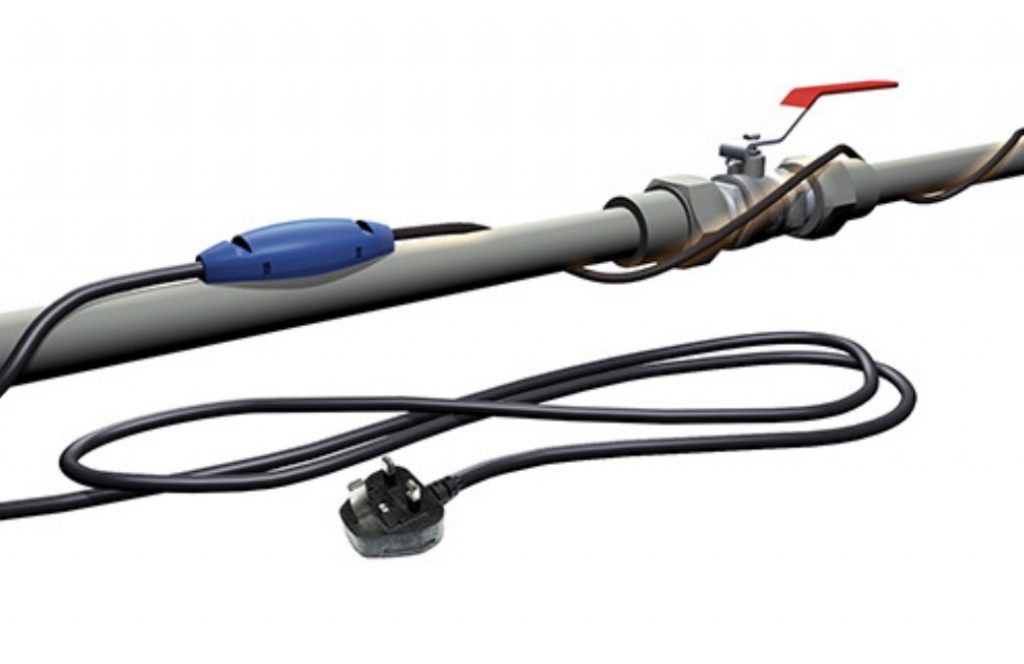
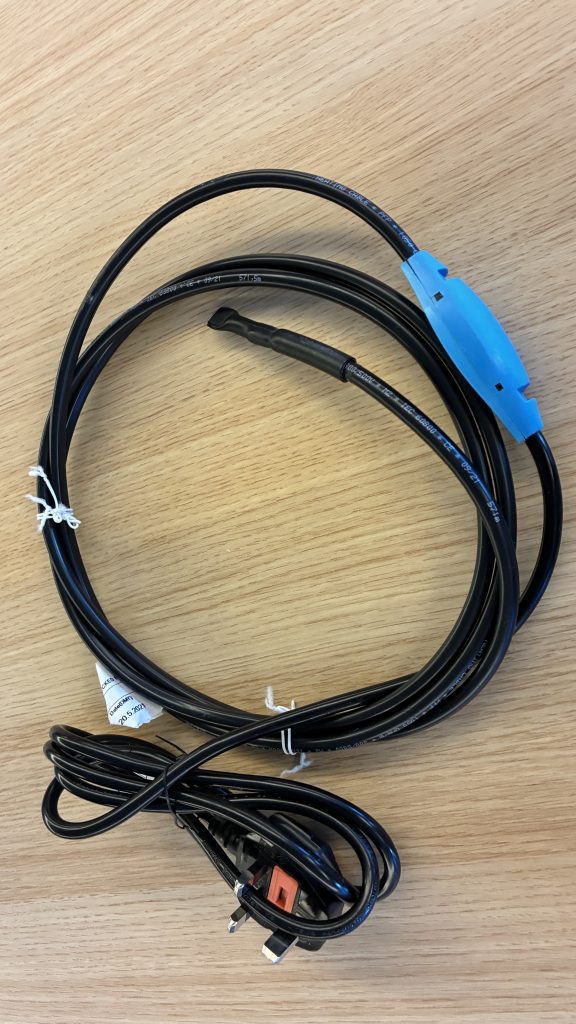
Modern systems from Flexel International Ltd use electrically heated cables. Installers fit these heating elements directly alongside your pipework. After setup, the system operates efficiently through four steps:
- Detection: Intelligent sensors monitor the pipe temperature.
- Activation: The system turns on automatically when temperatures approach freezing.
- Maintenance: The cables maintain a safe temperature without overheating.
- Deactivation: The system switches off when weather conditions improve.
This “on-demand” approach ensures maximum energy efficiency while protecting your vital infrastructure.
Where is Pipe Freeze Protection Used?
You should install frost protection in any environment where pipes face low temperatures. It is particularly important in buildings without continuous heating. Key applications include:
- Public Sector: Schools, universities, hospitals, and NHS facilities.
- Heritage: Churches and older, uninsulated buildings.
- Commercial: Warehouses, industrial units, and plant rooms.
- Leisure: Holiday parks, lodges, and garages.
- Residential: Loft spaces and external service runs.
Investing in a dedicated frost protection system offers five clear advantages:
- Prevents damage: You completely avoid burst pipes and water repairs.
- Automatic operation: The system requires no manual intervention after installation.
- Energy efficient: Because it only runs when needed, it keeps your energy bills low.
- Highly versatile: It works perfectly on straight runs, valves, bends, and exposed sections.
- Improves resilience: It safeguards your critical infrastructure during harsh winters.
Installation Overview
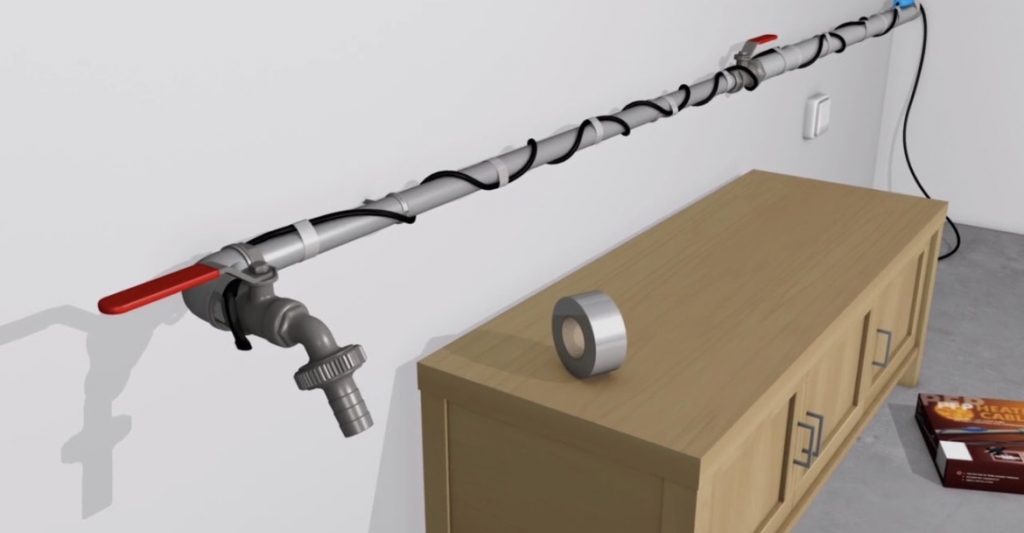
A qualified electrician or heating engineer must always carry out the installation. However, the basic process is straightforward.
First, the engineer runs the heating cable along the pipework. Next, they secure it using appropriate fixing tape. After that, they install the temperature-sensing controls and thermostats. Finally, they add high-quality insulation over the system to maximise efficiency.
Note: Correct insulation is just as important as the heating element itself. Without it, heat escapes into the surrounding air.
Control and Smart Operation
You can pair modern frost protection systems with intelligent thermostatic controls. This integration allows you to achieve:
- Precise, real-time temperature monitoring.
- Automatic activation at exact thresholds.
- Reduced energy consumption across the board.
- Seamless integration with wider building management systems.
In many Flexel installations, you can link frost protection into your broader heating control strategies. Consequently, this improves overall energy management across the entire property.
Summary: A Critical Safeguard
With rising energy costs and unpredictable winter weather, preventing damage is essential. Frost protection is no longer just a luxury. Instead, it is a critical building safeguard.
For property owners and facilities managers, the return on investment is immediate the moment freezing conditions arrive. Pipe freezing is entirely preventable. A well-designed solution ensures total peace of mind and reduces the risk of emergency repairs.
Flexel International Ltd manufactures reliable, UK-made heating solutions. Contact us today to support your next commercial, public sector, or residential project.